Top Time Management Calendar Tools for Enhanced Productivity in 2026
Mastering your daily schedule requires more than just a list of appointments; it necessitates a robust time management calendar that integrates your priorities with your actual capacity. Professionals often struggle to balance reactive tasks with deep, focused work. Choosing the right digital infrastructure to manage these demands can determine whether you achieve your strategic goals or remain trapped in a cycle of administrative maintenance. By utilizing specialized calendar management tools, you can align your daily output with your long-term objectives.
Quick Summary
Time management calendar tools are digital platforms designed to synchronize task lists, meeting schedules, and deep-work blocks into a unified workflow. They provide the structure necessary to prioritize high-impact activities while minimizing time spent on low-value interruptions.
- Centralizes tasks and appointments for total visibility.
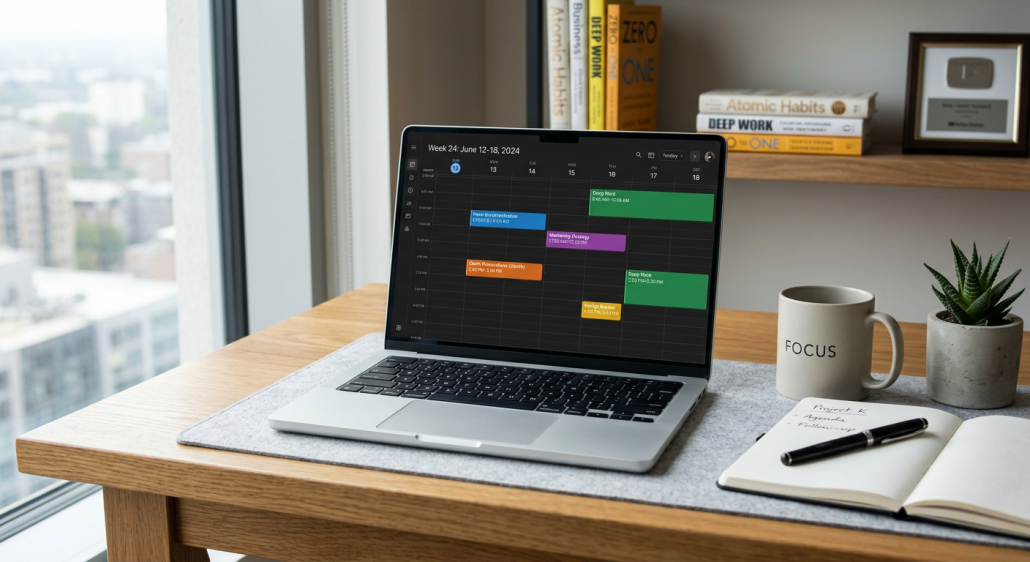
- Facilitates time-blocking to protect focused work sessions.
- Automates scheduling to reduce back-and-forth communication.
- Enables data-driven reviews of how your time is actually spent.
Table of Contents
- Quick Summary
- Integrated Work OS Platforms
- Dedicated Calendar-First Scheduling Tools
- Task-Centric Calendar Applications
- Enterprise-Grade Coordination Suites
- How to Choose the Right Calendar Management Tool
- FAQ
- Recommended Reads
Integrated Work OS Platforms
These platforms go beyond simple scheduling by embedding time management directly into project workflows. For professionals managing complex agency operations, using an integrated project management platform is essential to ensure that calendar commitments translate directly into completed deliverables. These tools typically offer visual representations of project timelines alongside daily calendars.
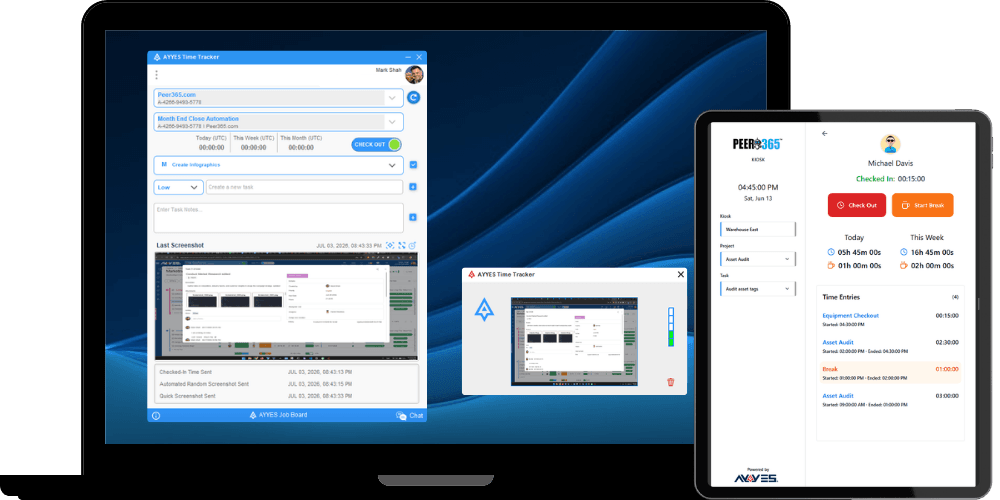
By leveraging automated time tracking software, users can compare their planned calendar blocks against actual time spent. This capability allows for a realistic analysis of productivity, moving beyond simple scheduling to actionable performance insights. They are ideal for teams that require high levels of accountability and granular visibility into task progression.
Dedicated Calendar-First Scheduling Tools
Dedicated scheduling tools prioritize the elimination of friction in booking appointments. They excel at handling complex executive calendar management by automating the coordination process. These tools sync with multiple calendars to prevent double-booking while providing custom availability windows that honor your deep-work hours.
- Pros: Significantly reduces administrative overhead; ensures consistent availability; seamless integration with video conferencing platforms.
- Cons: Can feel detached from broader project management systems; might require extra steps to push data back into task lists.
- Target Audience: Consultants, sales professionals, and managers who spend a large portion of their day in client-facing or internal meetings.
Task-Centric Calendar Applications
Task-centric applications force users to apply the time management matrix by physically dragging tasks from a backlog into specific calendar slots. This practice ensures that your to-do list is constrained by the reality of your schedule. By utilizing a time management chart within these apps, users gain a visual understanding of their workload distribution throughout the week.
These tools often include features for recurring task scheduling and dependency tracking. For professionals who struggle with estimation, these apps offer a clear look at when a task is due versus when they have the capacity to perform it. This is a critical component of calendar task management, ensuring that no critical project falls through the cracks.
Enterprise-Grade Coordination Suites
Large organizations often rely on enterprise suites that offer shared calendars, resource allocation, and team availability tracking. These solutions are built for high-stakes coordination where team member availability must be reconciled against project milestones. They allow for team-wide transparency, helping managers identify capacity bottlenecks before they jeopardize project timelines.
- Pros: Scalability for large teams; built-in security and permission controls; strong integration with existing enterprise email and document ecosystems.
- Cons: Higher complexity and steeper learning curve; often carries a significant subscription cost for enterprise features.
- Target Audience: Operations managers and project leads overseeing teams of ten or more people who require high-level workforce visibility.
How to Choose the Right Calendar Management Tool
Selecting a tool begins with auditing your current bottlenecks. If your primary issue is meeting scheduling, a dedicated booking tool is the priority. If your struggle lies in missing deadlines, look for a platform that emphasizes calendar task management. Consider whether you need real-time team members availability or if you are primarily managing your own solo output.
Evaluate each candidate based on their integration capabilities. Your calendar tool must “talk” to your email provider, your project board, and your communication channels. An effective solution should serve as a single source of truth, not an additional data silo. When reviewing time management goal examples, define which metrics matter to you – be it time spent in meetings, hours billed, or the ratio of reactive tasks to deep-work sessions.
FAQ
What is the most effective method for organizing a calendar?
Time blocking is widely considered the most effective method. It involves assigning specific segments of time to individual tasks or categories of work, effectively turning your calendar into your to-do list.
How can I ensure my calendar management tool improves my productivity?
By integrating it with your project tracking tools. Ensure that the tool you choose provides insights into your actual time usage compared to your planned schedule, allowing for continuous refinement of your time management habits.
Do I need a separate task management system?
Ideally, no. The best productivity systems use calendar-integrated task tools. If your current tools are separate, ensure they have a robust, two-way sync to avoid manually updating data in two locations.